
Criminal Justice
Note: information on SkillsUSA sites or publications superceeds any information listed here
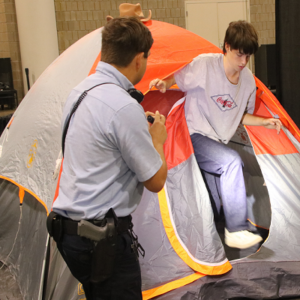
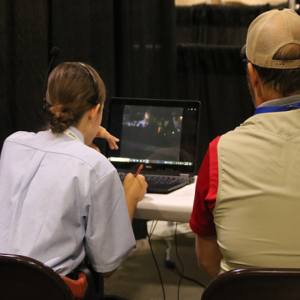
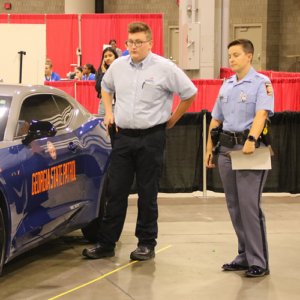
Contest Information
Note: Check the tech standards on the SkillsUSA site for the most up to date content
To review the tech standards on the SkillsUSA site. Industry folks – reach out and we can help you get a copy of them.
Here is some supplementary information about the competitions.
APPENDIX A
The list below is not exhaustive but represents the range of possible competition scenarios:
- Traffic accident
- Vehicle pullover
- Traffic argument
- Use of force evaluation
- Fingerprint lift — be familiar with powder or magnetic
- Witness/victim interview
- Job/board interview
- Suspect interview
- 911 Hang-up call
- Homeless interaction
- Police report
- Medical emergency
- Civil disturbance — neighbors arguing
- Domestic violence
- Welfare check
- Found/lost property
- Landlord dispute
- Rolling fingerprint
- Crisis/mental health intervention
- Missing/lost person report
- Using de-escalation techniques
- Suspicious person call
- Trespassing/loitering call
- Testify to an observed or acted scenario
Note: Students should know when and how to call dispatch. “10 Codes” or radio codes are not required to be used. Competitors should use plain language to communicate with dispatch. However, the use of a phonetic alphabet (military or police) should be used and industry standards like “CYMBALS” for vehicle descriptions should be used.
APPENDIX B
The list below is not exhaustive but represents most terms and topics on the test:
- First police agency to ? (historical and notable milestones of the occupation)
- Robert Peel
- August Vollmer
- Branches of government/checks and balances
- 1st Amendment
- 4th Amendment
- 5th Amendment
- 6th Amendment
- 8th Amendment
- 10th Amendment
- Knapp Commission
- English Common Law
- Code of Hammurabi
- Napoleonic Code
- Social Conflict Theory
- Choice Theory
- Biological Theory
- Social Disorganization Theory
- Voir dire examination
- Peremptory challenges
- Nolo contendere
- Plea bargaining
- Insanity
- Entrapment
- Alibi
- Self Defense
- Diminished mental capacity
- Infancy
- Beyond a reasonable doubt
- Reasonable suspicion
- Probable cause
- Felony
- Robbery
- Misdemeanor
- Burglary
- Embezzlement
- Murder
- Manslaughter
- Petty Theft
- Terry v. Ohio,
- Graham v. Connor
- Mapp v. Ohio
- Tennessee v. Garner
- Miranda v. Arizona
- Civil v. Criminal
- Sentencing
- Opening statements
- Defense’s case
- Closing Arguments
- Jury Deliberations
- Prosecution’s case
- Tort
- Juvenile-only offenses
- Juvenile rights
- Parole
- Furlough
- Probation
- Trustee
- Prisoner rights
- Adult v. juvenile terms
- Incapacitation
- Deterrence
- Restorative justice
- Rehabilitation
- Death penalty exclusions
- Local jail v. state prisons
- Legal searches parameters
- Exigent circumstances
- Detention v. arrest
- When search warrants are not required v. when they are
- Coercement
- Exclusionary rule
- Inevitable discovery
- Judicial review
- Consent
- Stop and frisk
- Order of a body search
- Reasonable Suspicion v. Probable Cause
- DUI/DWi probable cause for arrest
- Consensual encounter
- Internal Affairs
- Unethical v. illegal
- Purpose of an accident investigation
- Own recognizance
- First priority of officer at accident scene
- First priority of officer responding to a call
- Private property traffic law enforcement
- Driving reaction times
- Reckless driving
- Danger areas in traffic stops
- Horizontal gaze nystagmus
- Walk and turn
- Evidence
- Chain of custody
- Modus operandi
- Police reports in general
- Affidavit
- Complaint
- Indictment
- First person active voice style of writing
- Qualities for police reports
- Audience of a police report
- Police rank — order
- Schedule I drugs
- Schedule II drugs
- Primary functions of a patrol officer
- Police assignments
- Patrol
- SWAT
- Kansas City experiment
- Vice
- SCOTUS definition of arrest
- Common reasons that someone is wrongfully convicted
- Common “10” codes
- Body cameras
- K-9 officers
- Bicycle officers
- Foot Beat officers
- Community-oriented policing
- COMPSTAT
- Special conditions in domestic violence calls
- Interview
- Interrogation
- Skills of a law enforcement officer
- Going to a job interview
- Hiring practices of a department — ideally
- Reducing job-related stress
APPENDIX C
Score Card ( Is this all or nothing or is it subjective?)
| Item Evaluated | Possible Points |
| Test | 100 |
| Main Scenario | 200 |
| Skill evaluation | 125 |
| Skill evaluation | 125 |
| Problem Solving Scenario | 175 |
| Skill evaluation | 125 |
| Skill evaluation | 125 |
| Professional Dev Test | 25 |
| Total Points | 1000 |